Plain answers for first-timers
What to wear to a sound bath — small choices, real comfort
Not a fashion piece. A practical reference for what to put on before you lie on a mat for an hour with twelve strangers in a dim room — and what to take off.
A sound bath is not a yoga class. You will not be moving. The clothes you wear are not for performance; they are for an hour of stillness on a mat in a room that may be warmer or cooler than you expect. The studio is not going to give you a robe. Whatever you walk in wearing is what you will lie in.
This is the small guide. It is short on purpose.
The core principle
You want soft, loose, layered, and scent-free. The body does its own thermoregulation when it lies still — most people cool off measurably after about twenty minutes of stillness, even in a warm room. Layers solve this. Tight clothing fights it.
If you can answer yes to all of these, you are dressed correctly:
- Can you lie supine for an hour without feeling pressure at any seam, waistband, bra strap, or sock cuff?
- Can you add a layer if you get cold, without leaving the room?
- Could you fall asleep in this outfit and not be uncomfortable?
- Did you skip perfume, cologne, scented lotion, scented deodorant in the last six hours?
That is most of the practical guidance in one paragraph. The rest is detail.
The specifics
Bottoms. Soft trousers — yoga pants, joggers, linen drawstring pants, loose cotton trousers. Avoid jeans. Avoid pants with metal hardware that will press into your lower back. Skirts and dresses are fine but make sure you can lie down modestly without adjusting; long flowy fabrics are great, short tight ones less so.
Tops. Cotton, linen, or a soft technical fabric. T-shirt or long-sleeve depending on climate. Avoid bras with underwire if you can — they press uncomfortably when you lie down. A bralette or no bra under a layered top is what most regulars wear. Avoid tops with zippers or buttons that will dig into your back. If you tend to get cold easily, a soft hoodie that you can pull over your face is the gold standard.
Layers. Bring an extra layer even in tropical Mexico. The studio may have ceiling fans, AC, or just be cooler than the street. A cardigan, light shawl, or hoodie in your bag covers most situations. In Mexico City and the highlands, this is non-negotiable — studios in Roma Norte and Condesa get genuinely cold in the rainy season.
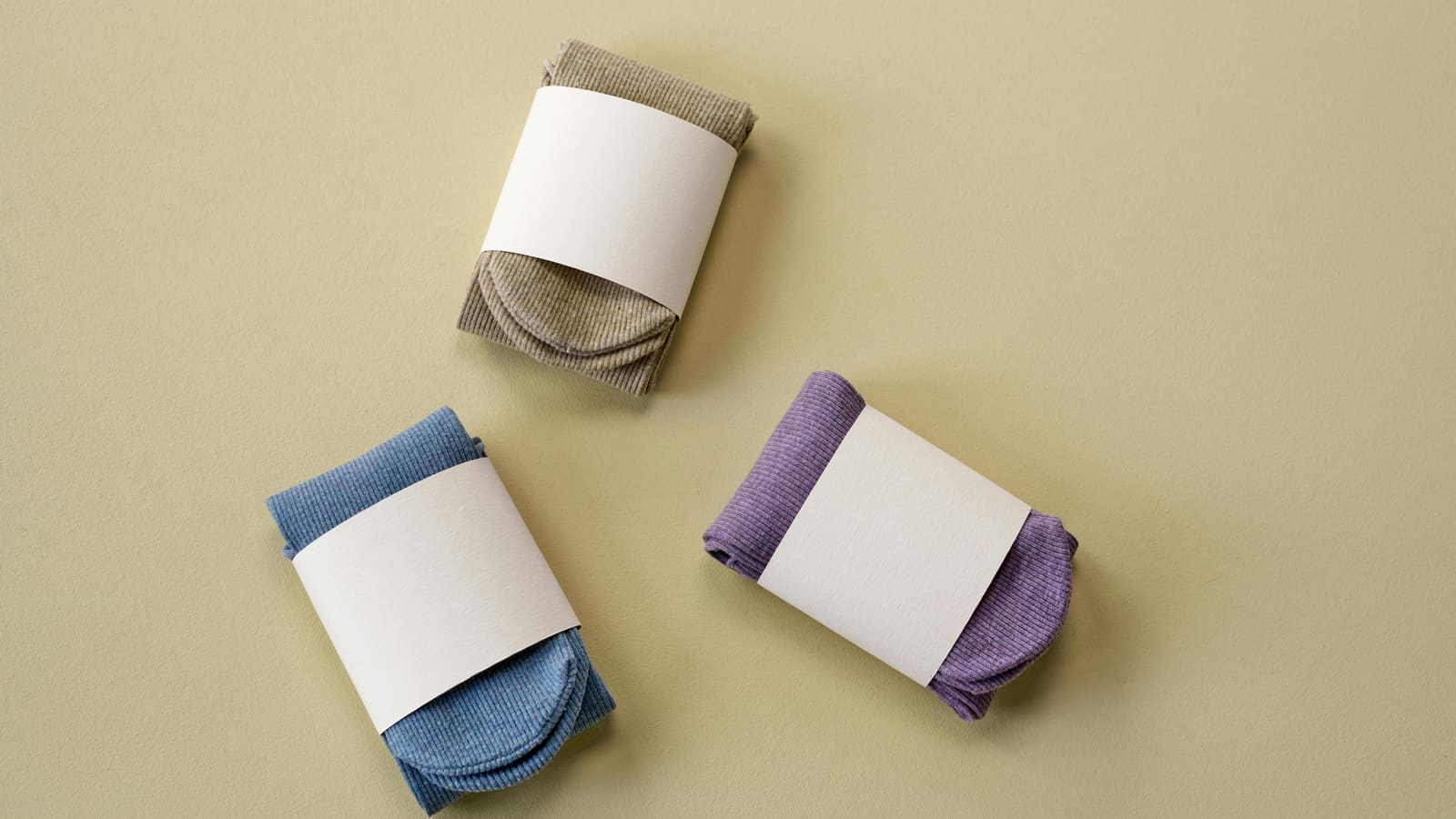
Socks. Bring them. Wear them. Feet are the first thing to cool when you lie still. Cold feet pull attention out of the body and into the toes. A pair of warm wool or thick cotton socks transforms the last twenty minutes of a session for most people. Bare feet, even in 30°C Tulum, will feel chilly by minute thirty.
Hair. If long, tie it back loosely, or tuck it in a soft way. A hard ponytail elastic at the nape of the neck is uncomfortable lying down. A loose braid or a low ponytail off to one side is better.
Glasses. If you wear them, you can keep them on (most people close their eyes anyway). If you have contacts and tend to dry out, take a few drops in advance.
What to leave at home
Perfume, cologne, scented lotion. Apply nothing scented the day of. Many practitioners and many participants are scent-sensitive, and a closed-room sound bath concentrates whatever everyone is wearing. The signal is silent — no one will tell you — but you will be remembered as the one wearing the patchouli.
Heavy jewellery. Necklaces, big earrings, watches. Anything that will jangle, dig in, or distract you. Wedding rings, simple studs, a leather bracelet — fine. Anything with hardware that catches on a blanket — leave it.
Belt. Take it off before you lie down. Most belts dig in. Most studios have a small shelf or hook where you can leave your bag and any removable items.
Shoes that you struggle with. Slip-on sandals or shoes that come off without bending and untying are easier at the studio entrance. Lace-up boots take a minute longer to remove than you have when you’re trying to be quiet.
Practical extras
A small kit that fits in a tote and serves you well at any session:
- Water bottle. You will be thirsty after.
- Extra pair of socks. In case the first ones are wrong.
- Light shawl or scarf. Use as an eye cover if the studio doesn’t provide eye pillows.
- A small hand towel. For wiping a runny nose (deep breathing sometimes triggers one) or tears.
- Your intake notes / journal. If you like to write afterwards, a small notebook in the bag waiting at the door is a good ritual.
That is the kit. Most experienced sound bath attendees in Mexico carry exactly this, in a small fabric tote that lives by the door.
Climate notes for Mexico
- Mexico City year-round: Layers required. Mornings 12–15°C, afternoons 20–25°C, studios variable. Pack the hoodie.
- Tulum / Mazunte / Puerto Escondido: Warm but studios may have AC or fans. Light layers, light fabrics, definitely socks.
- San Cristóbal / highlands: Genuinely cold most of the year, especially after sunset. Wool socks, full hoodie, sometimes a wool blanket on top of the studio’s.
- Coastal humidity: Cotton over synthetic. Synthetic fabrics in humid Tulum can get clammy when the body cools.
What to try this week
If you are about to attend your first sound bath, lay out your outfit the night before. The morning-of decision-making is unhelpful; pre-deciding removes one small source of decision fatigue.
Test it. Lie down on your bed in the outfit for ten minutes. Do you feel any seam, button, waistband, hardware? Adjust. The outfit you can lie still in at home for ten minutes is the one that will let you arrive at the studio without bringing your wardrobe with you into the room.
And the socks. Always the socks.
FAQ
Quick answers
Do I have to change at the studio?
Is denim okay?
Should I bring my own blanket?
Sources
What this is built on
- Studio interviews — Encalma, Sundari, Camino del Sonido, Casa OM Mazunte, Medicine Wheel Tulum, 2025–2026. On-site reporting and conversations with facilitators about practical pre-session preparation.
- Multidisciplinary Association for Psychedelic Studies (MAPS) — set and setting guidance. maps.org
Spot something off — a date, a citation, a lineage detail? Write to [email protected] and we will fix it.
Keep reading
How to find a good sound healer — five questions worth asking before you book
There is no licensing body, no certification that means anything universal, no Yelp filter for spiritual practice. Here are the five questions that, asked clearly, sort the working facilitators from the ones still finding themselves.
What to expect at your first sound bath, told by someone who has been in the room
The walk-in, the lying down, the first ten minutes of nothing happening, the strange middle, the slow return. A non-mystified, useful walk-through for someone going for the first time.
Do healing sounds actually work? — an honest read of the evidence
Yes, for what they plausibly claim: lower tension, anxiety and arousal, mostly short-term, through mechanisms we can name. No, for curing disease or repairing DNA. Here is where the line actually sits.
What are the 5 healing sounds? — the Taoist practice behind the phrase
The 'healing sounds' people search for are the Taoist Liu Zi Jue — and there are properly six, mapped to five organ systems. Here is where they come from, what each one is, and what they actually do.